Many seniors want to age at home. It’s familiar and comfortable. Plus, it offers a sense of independence. As we age, simple tasks like climbing stairs, cooking, or getting out of bed can get tougher. A home that once felt safe may now have hidden risks.
For seniors who want to live independently, staying safe at home is crucial. Falls, burns, and medication mix-ups can lead to serious injuries. The good news? With a few simple changes, seniors can continue living at home safely and comfortably.
Here are some tips to make home safer for seniors and their families.
1. Preventing Falls: The Biggest Safety Concern
Falls are a top cause of injuries in seniors. They can result in broken bones, head injuries, and reduced mobility. The key to prevention is making the home as safe as possible.
How to Reduce Fall Risks:
- Clear floors, hallways, and staircases of clutter.
- Use non-slip mats or remove loose rugs to prevent tripping.
- Install grab bars near the toilet and in the shower.
- Make sure every room, especially stairways and hallways, has good lighting.
- Rearrange furniture to create wider walkways.
- Wear sturdy, non-slip shoes indoors instead of socks or loose slippers.
Staying active with regular exercise can also improve balance and reduce fall risks.
2. Making the Bathroom Safer
The bathroom can be very dangerous for seniors. Slippery floors and limited movement are big risks. A few small adjustments can make a big difference.
Essential Bathroom Safety Tips:
- Use a raised toilet seat for easier sitting and standing.
- Consider a walk-in bathtub or shower to prevent falls.
- Add a shower chair and handheld showerhead to reduce standing time.
- Keep toiletries within easy reach to avoid unnecessary bending.
If possible, install an emergency call button in case of accidents.
3. Fire and Electrical Safety
Seniors may react more slowly in emergencies, making fire safety a top priority. Prevention is key to avoiding dangerous situations.
Fire Safety Tips:
- Never leave the stove unattended while cooking. Turn off burners if you step away.
- Use appliances with automatic shut-off features.
- Install smoke detectors in every room and test them monthly.
- Keep space heaters away from curtains, furniture, and bedding.
- Avoid overloading electrical outlets.
Tip: If you often forget to turn off appliances, try induction cooktops. They are safer than traditional stoves.
4. Medication Safety: Avoiding Dangerous Mistakes
Managing multiple medications can be overwhelming. Skipping doses or taking the wrong pills can have serious health consequences.
How to Stay on Top of Medications:
- Use a pill organizer to sort medications for each day.
- Set alarms or reminders to take medicine on time.
- Review prescriptions with a doctor or pharmacist to check for possible side effects.
- Store medicine in a cool, dry place, away from sunlight.
- Keep an updated medication list and share it with a family member or caregiver.
For seniors with memory concerns, having a caregiver double-check medications can prevent mistakes.
5. Home Security: Protecting Against Scams and Intrusions
Scammers and burglars often target seniors. This makes home security a big concern.
How to Improve Home Security:
- Install a peephole or video doorbell to check visitors before opening the door.
- Never share personal or financial information over the phone or online.
- Keep doors and windows locked, even during the day.
- Avoid letting strangers inside, even if they claim to be service workers.
- Use motion-sensor lights outside to deter intruders.
Tip: Many communities offer senior safety programs that provide scam awareness education.
6. Kitchen Safety: Preventing Cooking Accidents
Cooking is an important part of staying independent, but it can also be risky. Burns, spills, and fires are common kitchen hazards.
Safe Cooking Tips:
- Keep frequently used items within easy reach.
- Use lightweight pots and pans with easy-to-grip handles.
- Turn pot handles inward to prevent accidental spills.
- Keep a fire extinguisher in the kitchen and know how to use it.
- Set a timer to avoid forgetting food on the stove.
If arthritis or mobility issues make cooking hard, meal delivery services can help. In-home assistance also ensures you get healthy meals without the hassle.
7. Staying Safe Outdoors
Spending time outside is good for fresh air and exercise. However, outdoor spaces can hide dangers. These include uneven sidewalks and bad lighting.
How to Stay Safe Outside:
- Check that porches, steps, and walkways are free of cracks.
- Install railings on stairs for added support.
- Avoid going out in extreme heat or cold.
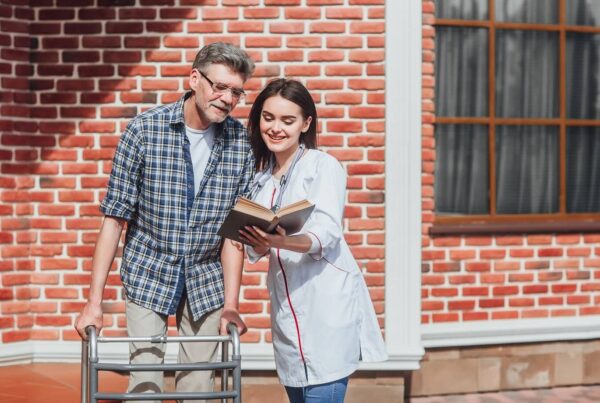
- Use a cane or walker if needed for extra stability.
- Carry a fully charged phone in case of emergencies.
If driving feels unsafe, consider other options. You might try rideshare services, senior transportation programs, or ask for help from a caregiver.
8. Emergency Preparedness: Being Ready for the Unexpected
Emergencies can happen anytime—power outages, natural disasters, or medical issues. Having a plan in place makes all the difference.
How to Be Prepared:
- Keep emergency contacts in an easy-to-find place.
- Store extra medications, water, and non-perishable food.
- Have flashlights and batteries easily accessible.
- Sign up for local emergency alert systems.
- Consider wearing a medical alert device for quick access to help.
Tip: Do a home safety check every few months with a family member or caregiver to stay up to date.
Final Thoughts: A Safe Home is a Happy Home
Seniors can live independently as long as safety is a priority. Small changes can make your home safer. Improve lighting, secure rugs, organize medications, and add safety features.
Saved By Grace Care gives seniors in-home help and companionship in Sacramento and nearby regions. This support helps them feel safe and confident at home.
Need help with home safety, daily tasks, or companionship? Contact today! We help seniors feel safe, comfortable, and independent in our community.