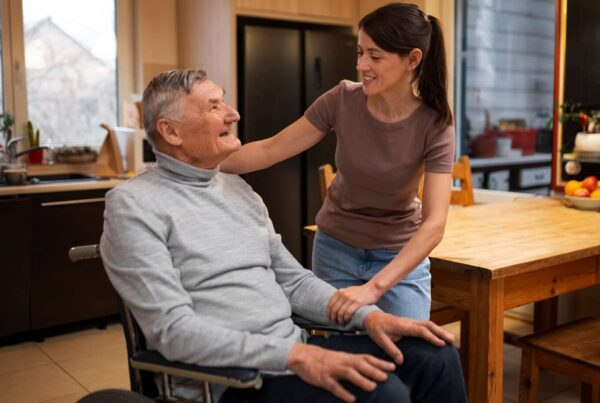
Caring for a loved one with dementia is an emotional journey. It comes with challenges and tough decisions. Dementia impacts communication and daily tasks at any stage. It can also affect safety at home.
As a caregiver, you want to give love and support. But dementia care needs patience, structure, and smart strategies. These help ensure your loved one’s well-being and your own peace of mind.
Home can stay a safe and comforting space. With the right approach, it helps them feel familiar and maintain their dignity. Here are some helpful tips for caring for someone with dementia at home. These tips focus on comfort, safety, and improving quality of life.
1. Create a safe and supportive home environment.
As dementia progresses, your loved one may struggle with confusion and disorientation. Everyday items at home can be risky, and places you know well may not seem safe anymore.
How to Make the Home Dementia-Friendly:
- Remove trip hazards like loose rugs, electrical cords, and cluttered walkways.
- Install grab bars and handrails in bathrooms and along stairways.
- Lock cabinets with cleaning supplies, medications, and sharp objects.
- Label drawers and doors with memory cues (e.g., “Kitchen” on the kitchen door).
- Improve lighting in hallways and bedrooms to prevent falls.
A safe environment lowers anxiety. It helps your loved one feel more at home.
2. Establish a daily routine for stability
Dementia can make the world feel unpredictable. A structured daily routine provides comfort and a sense of control.
Tips for a Consistent Routine:
- Keep wake-up, meal, and bedtime schedules the same every day.
- Engage in familiar activities like listening to music, folding laundry, or gardening.
- Use verbal and visual cues to signal what’s happening next (e.g., “It’s time for breakfast now”).
- Minimize sudden changes, as they can cause confusion and distress.
A predictable routine helps reduce stress and makes daily life easier for both of you.
3. Communicate with patience and simplicity.
Dementia affects memory and language skills, making communication frustrating at times. How you speak and interact can make a big difference.
How to Improve Communication:
- Speak slowly and clearly, using short, simple sentences.
- Maintain eye contact and use a calm, reassuring tone.
- Ask yes/no questions instead of open-ended ones (e.g., “Would you like tea?” instead of “What do you want to drink?”).
- Be patient—give them time to process and respond.
- Use gestures or visual cues to reinforce what you’re saying.
Avoid correcting them harshly if they forget something or repeat themselves. Instead, gently redirect the conversation and focus on making them feel heard and safe.
4. Encourage meaningful activities and engagement.
Staying active and engaged helps slow cognitive decline and improve emotional health. Even simple activities can bring joy and purpose.
Engaging Activities for Dementia Patients:
- Listening to familiar music to trigger positive memories.
- Looking through old photo albums and telling stories.
- Simple arts and crafts, such as painting or knitting.
- Taking short outdoor walks for fresh air and movement.
- Sorting household items, like matching socks or organizing buttons.
The goal isn’t productivity but enjoyment and connection. Activities should be gentle and stress-free.
5. Manage sundowning and behavioral changes
Many people with dementia face sundowning. They often feel more confused or agitated in the late afternoon or evening. Changes in behavior can be challenging, but certain strategies can help.
Ways to Handle Sundowning and Agitation:
- Keep evening routines calm and predictable.
- Limit caffeine and sugar intake in the afternoon.
- Use soft lighting and quiet music to create a relaxing atmosphere.
- Provide reassurance if they seem anxious or upset.
- Reduce overstimulation, like loud TV or too many conversations at once.
These behaviors are part of the disease, not a reflection of their personality. Responding with patience and compassion makes a big difference.
6. Take Care of Yourself as a Caregiver
Caring for someone with dementia at home can be tiring. It’s even harder when you have work, family, and personal duties to manage. Caregiver burnout is real, and taking care of yourself is just as important as caring for your loved one.
Ways to Prevent Caregiver Burnout:
- Ask for help—you don’t have to do it alone.
- Take breaks through respite care services.
- Stay connected with support groups or other dementia caregivers.
- Prioritize your own health, sleep, and emotional needs.
If caregiving feels too much, in-home care can help. It offers the support and relief you need.
7. Know When to Seek Professional Help
As dementia progresses, your loved one’s needs may go beyond what you can provide at home. In-home care services provide expert help so people can stay in a comfortable setting.
Signs It’s Time for Professional Help:
- Increased falls, confusion, or wandering.
- Difficulty with bathing, dressing, or eating.
- Caregiver stress or exhaustion.
- Concerns about safety and supervision.
At Saved By Grace Care, we focus on caring for those with dementia. We provide personalized in-home support. This helps your loved ones get the care they need in a familiar and loving space.
Need help caring for a loved one with memory loss? Contact Saved By Grace Care today. Learn how we can support you.
Final Thoughts: Compassionate care makes All the difference
Caring for a loved one with dementia is challenging but also deeply meaningful. You can build a safe and loving space with the right strategies and support. This will improve their quality of life.
Focus on safety, routine, communication, engagement, and self-care. This way, your loved one gets the compassionate care they need at home.